
Introduction
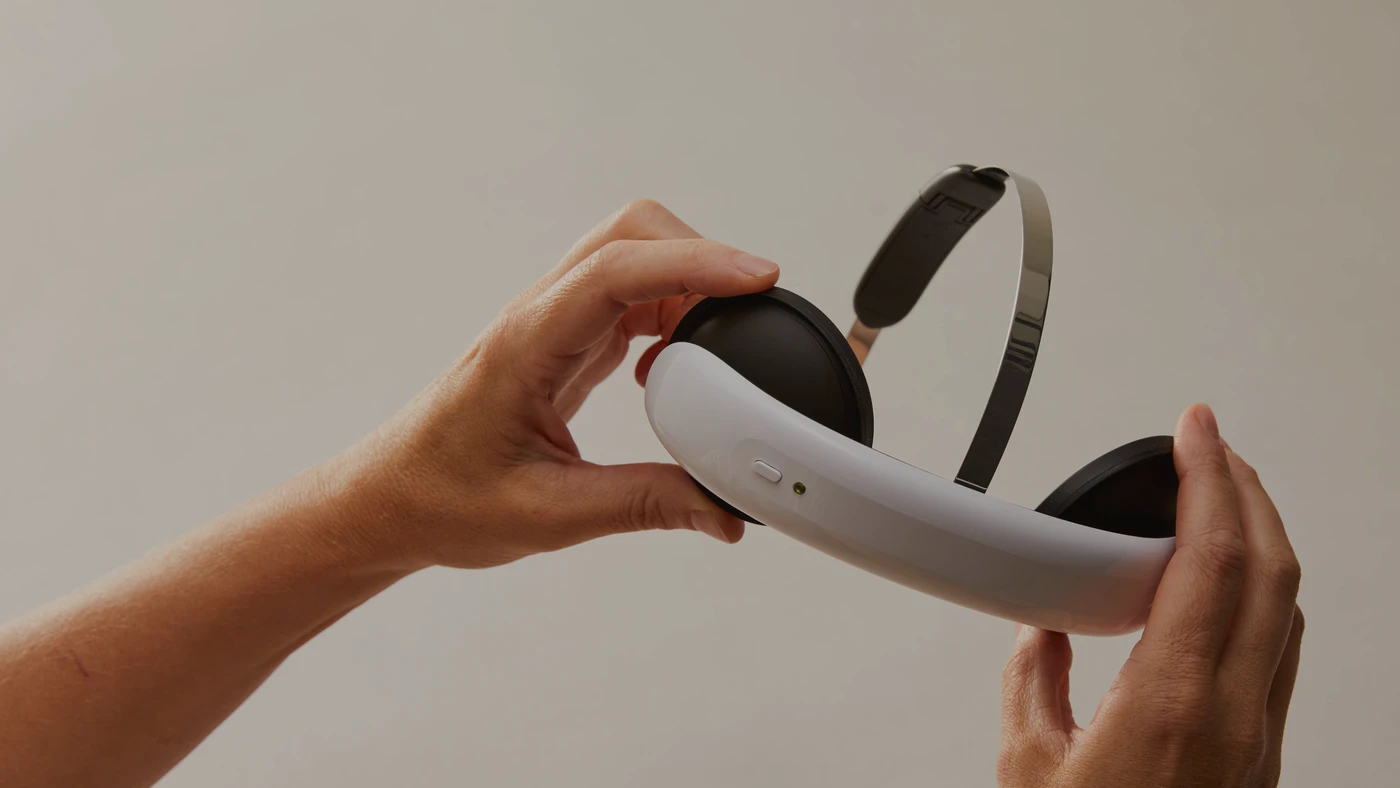
Flow Treatment is intended for the treatment of moderate to severe major depressive disorder (MDD) in the current episode, either as monotherapy or as an adjunctive treatment, in patients 18 years and older who are not considered treatment refractory to medication.
Advancing Psychiatry
In 2026
Flow Treatment introduces a first-line neuromodulation treatment to your early-intervention strategy. Requiring no prior medication failure, Flow Treatment seamlessly expands your treatment options, whether you are:
Could Flow Treatment be right
For your patients?
In the pivotal 10-week, multisite, double-blind, randomized sham-controlled superiority trial published in Nature Medicine, more than half of the participants in the active group achieved full remission.1*
Results demonstrate that Flow FL-100 is effective both as a standalone monotherapy and as an adjunct to antidepressant medication.1†
Achieve remission in ten weeks1
Flow Treatment has been prescribed internationally since 2019.
Throughout this wide-spread real-world use, the device has maintained a safety profile with fewer than 5% of patients reporting mild, transient side effects.2
Patients2 and Counting
Bring Flow Treatment
to Your Practice
Beginning September 2026, Flow Treatment will be available for US prescription. To support your practice, we’ve created a simple journey to get started prescribing Flow Treatment:

1 – Register
Enter your NPI number and clinic details to register for online certification.

2 – Get certified‡
Complete our mandatory short clinician certification program at your own pace (typically less than 1 hour).

3 – Prescribe
Select Flow Treatment in your EHR formulary. Our nationwide partner pharmacy handles fulfillment and ships the device straight to your patient's door.
Stay informed about
Flow in the US
*Remission is defined as a score of <10 on MADRS. MADRS remission rate was a secondary endpoint of the study. The primary endpoint of the study reviewed between-group mean difference in HDRS-17 scores and was –2.3 points in favour of the active group (p=0.012).
†Comparison of monotherapy and adjunctive use of Flow FL-100 was a sub-analysis evaluation included as table 10 and 11 in the Empower Study.
‡While the FDA does not require a risk evaluation strategy, our data from 66,000 patients shows that brief provider onboarding drastically improves clinical outcomes.
References: 1. Woodham, R.D., Selvaraj, S., Lajmi, N. et al. Nat Med (2024). 2. Data on file. Flow Neuroscience Real-world reports. 2025.
Indication
Flow Treatment is intended for the treatment of moderate to severe major depressive disorder (MDD) in the current episode, either as monotherapy or as an adjunctive treatment, in patients 18 years and older who are not considered treatment refractory to medication.
Safety information
The side effects of Flow Treatment reported in clinical studies were generally mild and transient. The main risks of the device are skin dryness, skin irritation or redness after prolonged use, transient headache, stinging, burning, or itching sensations at the stimulation site, and skin burns (typically in cases of electrode pad reuse or use of dried-out electrode pads which is not recommended).