Article
Twelve clear causes and signs of depression
The first 6-12 months following treatment is a sensitive period where you are at higher risk of relapse. During that period, the brain is more prone to falling back into depressive thinking and functioning.
You can imagine the process of recovering from depression as moving into a new home. As you recover, you put a lot of effort into sorting out the old patterns and obstacles that you want to leave behind, and packing up the treasured belongings you want to carry with you into the future.
Your old place, at Depression Lane, was a small and dim apartment without windows. For months or even years, you had no other choice but to turn left at the big intersection and drive back there every day after work.
Antidepressants lorem ipsum
That’s why your psychiatrist might encourage you to keep taking antidepressants for a full year, even if you’re symptom-free. And it’s why at the end of psychotherapy you spend considerable time on relapse prevention. It’s to put a roadblock on that left route until your brain automatically turns “right”.
As so often with depression, there is no 100% guarantee. Even with relapse prevention, depression might still happen. But prevention significantly lowers the risk. Medication and psychotherapy, however, are not the only treatments which can prevent new episodes of depression.
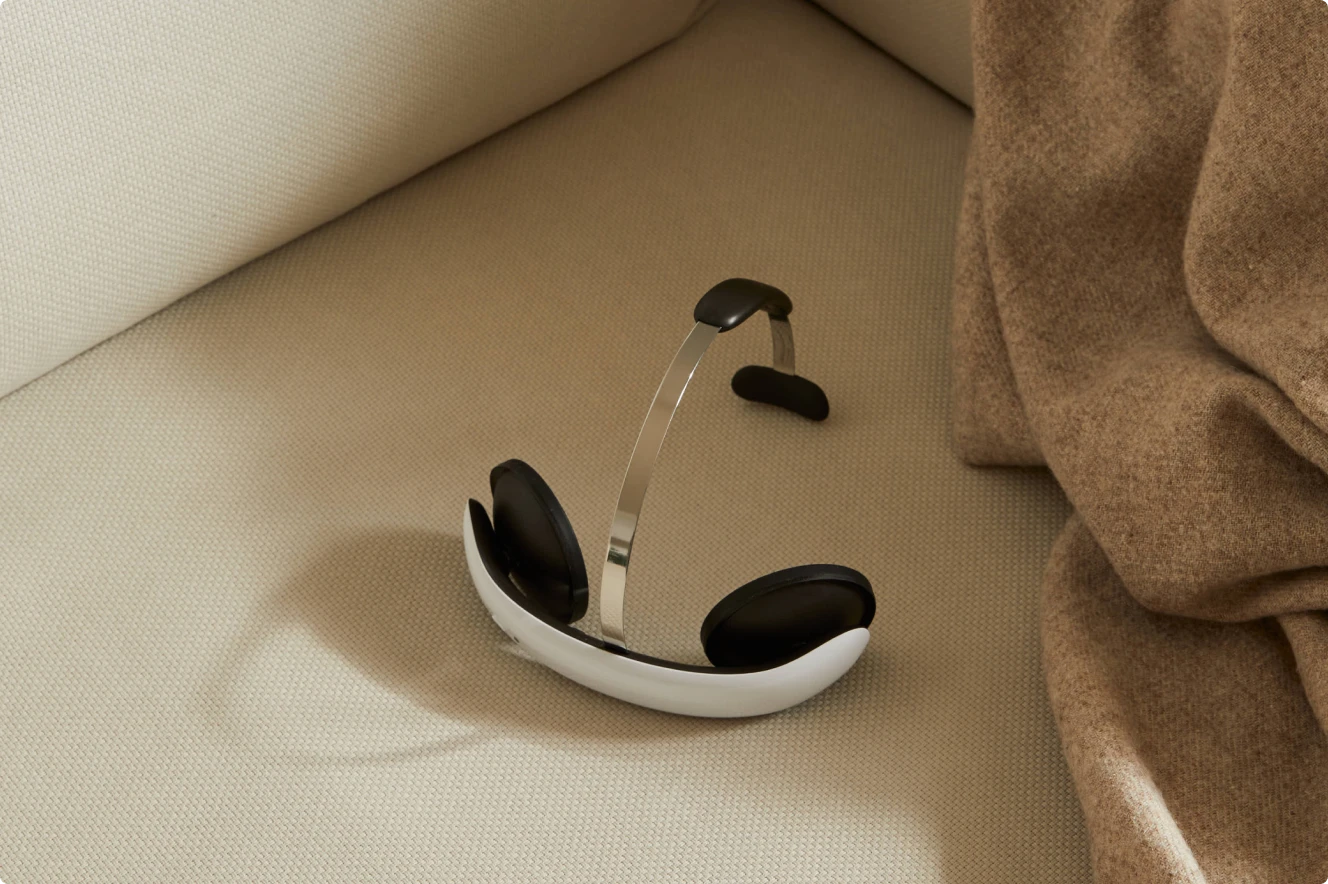
There is scientific evidence to suggest that tDCS protects against depression relapse as well. And it can help you maintain the improvements you’ve made during treatment.
4 steps lorem
How to use Flow to treat depression and lower the risk of relapse in 4 steps.
Let’s begin with a short summary – a 4-step guide to the recommendations.
Read more about how to understand and prevent depression relapse here.
For questions, please contact support@flowneuroscience.com.