In recent years, transcranial direct current stimulation (tDCS) has gained a great deal of interest as a scientifically supported and non-invasive technique for depression treatment. The growing attention in tDCS has led to a great number of tDCS devices on the market, but their effectiveness and safety vary.
The process of selecting an appropriate tDCS device begins with the comprehension of the most important features and the possible risks. Being aware of what to search for could mean the difference between an experience that is beneficial and supported by science and one that does not meet expectations.
This article will cover the main attributes and functionalities of tDCS devices, the considerations related to safety, and the problems that might arise in case of using non-compliant devices. We intend to assist you so that you can make a decision based on science, open-mindedness, and consumer safety rather than attractive marketing.
What Is a tDCS Device and How Does It Work?
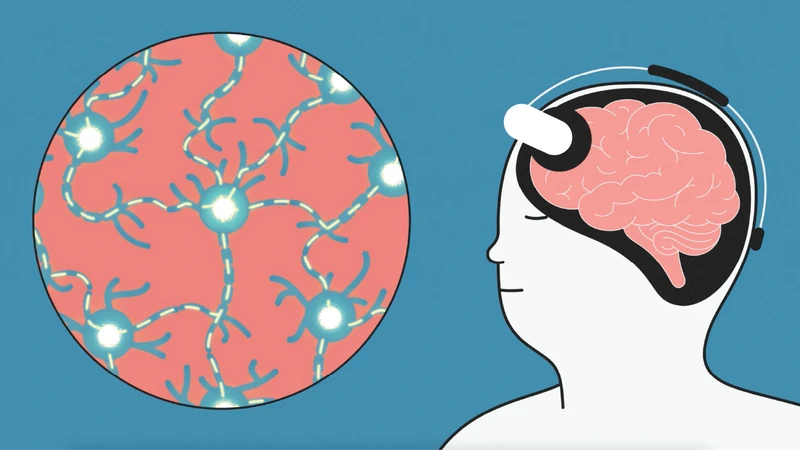
A transcranial direct current stimulation device applies a mild electric signal to the scalp and consequently to the brain. The current’s strength is usually in the range of 1–2 milliamps, which is regarded as safe if administered through clinically proven protocols.
The fundamental concept behind the tDCS equipment is its capability of targeting very distinct brain regions. As an illustration, in the case of depression, the left dorsolateral prefrontal cortex (DLPFC), the brain region that governs mood, attention, sleep, and eating habits, works at a reduced pace compared to its normal state. When tDCS is used to treat depression, this area is activated.
tDCS does not produce abrupt or intense electrical impulses that would be similar to electric shock or seizure, as is the case with electroconvulsive therapy. Rather, it quietly stimulates neuronal activity, making the functions of some parts of the brain more efficient in a gradual manner. One could think of this process as a delicate enhancement of brain activity.
A single tDCS session typically lasts 30 minutes, and the effects develop gradually over time, following a set treatment protocol. Due to its targeted effect on a specific area of the brain, tDCS often has a much lower and milder side effect profile compared to pharmacological treatments for depression.
Essential Features to Look for in a tDCS Device
A reliable tDCS device for home use incorporates multiple essential characteristics that guarantee patient safety, efficacy, and uniformity throughout the whole treatment process. Let us examine them.
Precise Current Control and Automatic Safety Cut-offs
Among the various factors to be considered when selecting a tDCS device, current stability and safety hold the first place.
It is possible that too much current can cause skin irritation or even pain, while too little current will not be effective. Therefore, it is better to opt for the devices that are equipped with continuous current supply monitoring and automatic shutdown features in the event of electrode detachment or resistance fluctuation.
Clinically Validated Treatment Protocols
You should choose a tDCS device that boasts a clinical study treatment protocol. These protocols point to:
- Electrode placement
- Current intensity
- Session duration
- Session frequency
- Duration of the entire treatment
Before purchasing a device, check whether it has been used in clinical trials and for which protocols it has been designed – this could be for the treatment of depression, improvement of cognitive functions, and so on. This will ensure the safety and effectiveness of the treatment.
Regulatory Approval: CE, UKCA, and FDA Marks Explained
If you’re researching a tDCS device to buy for home use, you’ve probably noticed that many products look similar on the surface. They may all claim to deliver transcranial direct current stimulation, but the level of regulatory oversight behind them can be very different.
That is exactly why understanding what approvals like CE, UKCA, and FDA are crucial, and they can help you separate clinically regulated tDCS equipment from devices that rely mostly on marketing.
CE mark – Europe
The CE mark shows that a tDCS device meets EU requirements for safety, performance, and risk management under the Medical Device Regulation (MDR).
For a CE-marked tDCS machine, this means:
- The device performs as intended
- Clinical evidence supports its safety and expected benefit
- Risks are actively monitored
- Manufacturing quality is independently audited
A CE mark doesn’t mean a product is “the best tDCS device,” but it does confirm that it meets the threshold for safe clinical use in Europe.
Flow’s device has CE marking as a class IIa medical device and is manufactured under ISO-13485 Medical Device Quality Management certified by BSI, which confirms that the Flow device is licensed for medical use and compliant with the strict European laws for medical devices.
UKCA mark – United Kingdom
The UKCA mark is the UK’s equivalent of the CE mark following Brexit. It confirms that a tDCS device for home use:
- Meets UK safety and performance standards
- Has undergone formal regulatory assessment
- Can be legally placed on the Great Britain market
At present, UKCA requirements closely align with EU standards. Similar to CE marking, Flow also holds UKCA for a class IIa medical device (UKCA 776047).
FDA approval – United States
In the US, medical devices are regulated by the U.S. Food and Drug Administration (FDA). Unlike Europe, the FDA uses two different pathways:
- FDA clearance (510(k)) – shows a device is similar to an existing product
- FDA approval (PMA) – requires direct clinical evidence proving safety and effectiveness
Approval is the FDA’s most rigorous pathway and is typically reserved for novel or higher-risk devices. In Flow’s case, FDA approval, not clearance, was granted. This means the device was evaluated on its own clinical evidence, rather than by comparison to an existing product.
If you’re planning to buy a tDCS device, regulatory status matters a lot. CE, UKCA, and FDA approval indicate that a device is treated as a medical technology, not just consumer electronics.
For people comparing the best tDCS device, this context helps explain why some products are prescription-based and clinically integrated, while others operate outside formal medical oversight.
Understanding these differences makes it easier to choose a tDCS device for home use based on safety, evidence, and long-term reliability — not just claims on a website.
Electrode Quality and Correct Placement Guidance
The proper positioning of the electrodes is essential for obtaining full tDCS effects. If the electrodes do not cover the intended brain site, the stimulation can be unproductive or even lead to the emergence of unwanted sensations.
Look for devices that offer:
- High-quality sponge or gel electrodes
- Clear positioning instructions
- The option to purchase replacement electrodes
This ensures comfort, proper current distribution, and consistent treatment results.
Ongoing Support and Symptom Monitoring
Choosing tDCS device with an app that is professionally developed and through which you can keep track of your mood, sleep, and other symptoms regularly (for instance, weekly) is very important. The app may also suggest various things and make it possible to communicate with clinical support if any questions come up.
For example, the Flow app allows you to monitor changes in health, clearly see the
effectiveness of treatment, and ensure convenient contact with specialists.
Red Flags: What Should Rule Out a tDCS Device
Apart from understanding the desirable characteristics of a tDCS machine, it is also advantageous to be aware of the warning signs that may suggest the device is not safe.
- User-adjustable current or voltage – if the device allows you to increase the current intensity yourself, this can be dangerous.
- No CE, UKCA, or FDA approval. It indicates that regulatory authorities have not tested the device.
- Unclear or missing safety information – a reliable device provides clear instructions for use and information on possible side effects.
- Lack of clinical evidence – if the effectiveness of the device has not been confirmed by research, it may be ineffective or risky.
- Marketed as a tool for "improving cognitive performance” or "brain hacking". There is currently no medical basis for this; such advertising often indicates that the product has not been validated by scientific research.
- Very low prices – high-quality materials and regulatory approval come at a cost; extremely cheap devices often fail to meet safety standards.
- Unclear electrode placement – inaccurate electrode placement can reduce effectiveness or cause discomfort.
- No support available – reliable devices provide instructions and accessible support if you have questions or encounter problems.
By considering these red flags, you will find it easier to distinguish between reliable products and unregulated or ineffective devices, making a safer decision.
Why Flow Uses a Closed Protocol (And Why That Matters)
Flow uses fixed, clinically validated parameters for each tDCS session. This means that users cannot change the current level or duration, and each session follows precise, evidence-based protocols.
This "closed protocol" is an important security feature:
- Reduces the risk of incorrect dosing. Automatic current setting ensures that stimulation is safe for every user.
- Ensures consistency and effectiveness. Every user receives the same clinically proven treatment.
- Treatment can be customised for an individual by a doctor. The doctor can modify the plan according to the patient’s particular requirements.
Structure of the protocol:
The Activation Phase:
- 5 sessions per week, 3 weeks. 30 minutes each session. Missed sessions are rolled over to the following weeks so that they can be completed.
- The goal is to activate the DLPFC, which is less active during depression. By activating this region, it becomes possible to improve the functions of mood, sleep, appetite, and attention.
The Strengthening Phase:
- 2 sessions per week, continuously.
- The goal is to maintain and strengthen the progress achieved in the activation phase. Continuous stimulation helps the DLPFC remain active, thus helping to prevent the recurrence of depression symptoms.
Questions to Ask Before Buying Any tDCS Device
The following inquiries will function as your evaluation of the tDCS equipment for its
effectiveness and safety:
- Does the device receive approval from regulatory institutions, e.g., CE, UKCA, or FDA?
- Is it included in any published clinical trials?
- What treatment is it intended to address (for example, depression, neurological rehabilitation)?
- Who will control the current strength? If it depends on the user, avoid these kinds of devices.
- What support is available if I have questions or problems during sessions or in between?
- How to know that the electrodes are correctly placed?
- What exactly does the treatment protocol include (e.g., electrode placement, current intensity, session duration, and frequency)?
- Are spare device parts available? For example, if there is a need to replace electrodes or other components.
Once you have found the answers to these questions, you can make an informed decision and choose the best tDCS device based on science, safety, and reliable protocols. Additionally, this will help you avoid the risks of using unreliable, unsafe, and unapproved devices.